Make Your AI Product Auditable: A Founder's Checklist
A practical checklist for making AI agents, vertical AI, and enterprise workflows auditable, attributable, and safe enough for enterprise trust.
The trust layer is the new moat
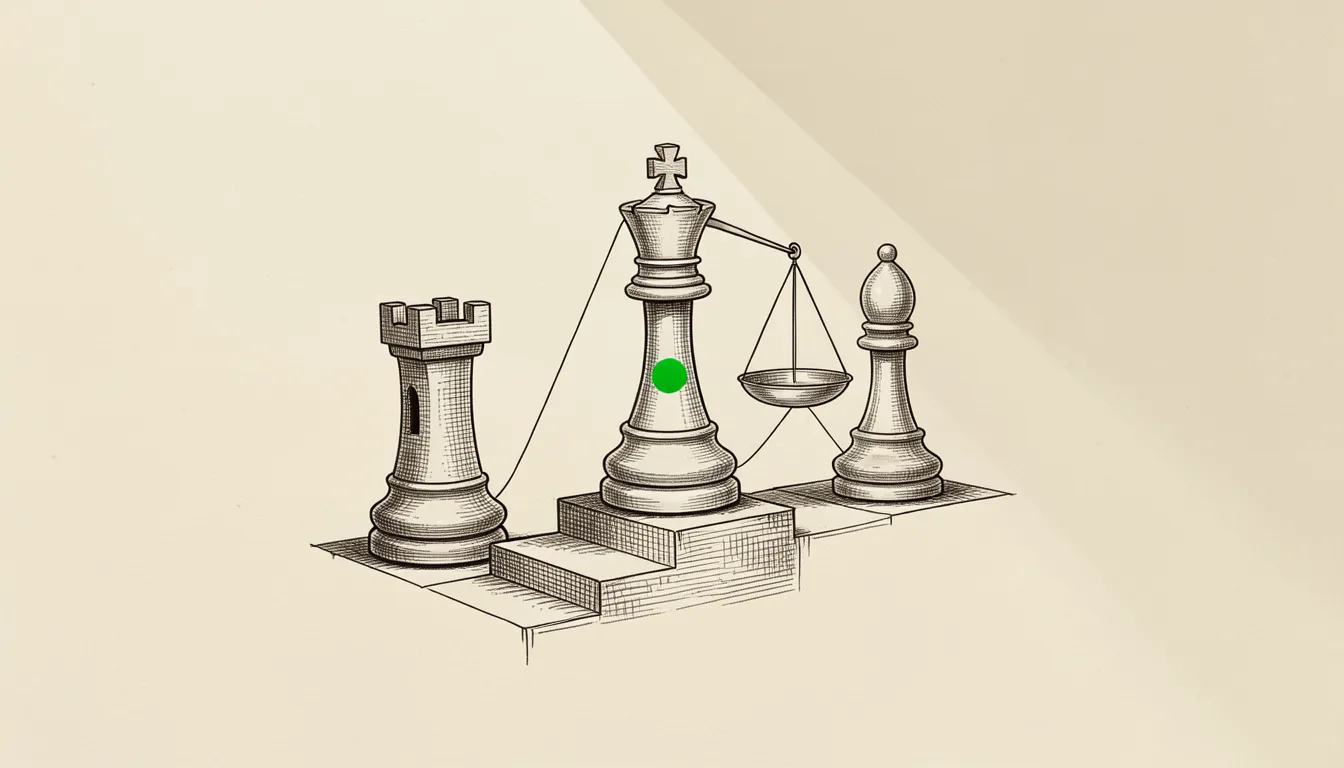
Most AI products are sold on capability, but bought on control. A model can draft, route, summarize, or act. The enterprise question is not whether it is clever. It is whether the company can say what it did, who authorized it, what data it touched, and what would happen if it was wrong. That is the trust layer. It is the difference between a demo and a production system that can survive a customer review, an incident, or a regulator's question.
For founders, this is a product decision, not a marketing one. If your AI product touches workflows, records, or decisions, the trust layer is part of the product. Build it late and you retrofit fear into the architecture. Build it early and it becomes the reason for yes.
What the market is already pricing
The funding signal is not subtle. Israeli startups raised at least $577.5 million across 12 funding rounds in August 2026, plus an undisclosed investment in cybersecurity startup Above. That month was the strongest August for Israeli startups since 2022. Oligo Security and Corma each raised $60 million, with different approaches to AI-driven security. Attestable raised $20 million and is betting on zero-knowledge cryptography.
Read that as a market map. The money is not only going to models. It is going to systems that make AI behavior inspectable. AI security is becoming risk infrastructure: the boring plumbing that lets a company say, with confidence, that its AI did not do something it should not have done.
That matters because enterprise buyers are not asking for a magic answer. They want a defensible one. They want to know the action was authorized, the output was logged, the model version was pinned, the data boundary was enforced, and the failure path was understood. If your product cannot produce that story, your sales cycle becomes a security review with no exit.
The AI trust layer checklist
Use this before your next raise, before a pilot, and before you let an agent touch a production system. It is not a compliance poster. It is a set of product requirements.
- Define the blast radius of every AI action. For each capability, write down what can happen if the AI is wrong: send a message, delete a record, trigger a payment, change access, approve a request. If the answer is yes, the control design must match the damage. A low-risk summary needs less ceremony than an action that moves money or changes access. The blast radius is your product spec, not an afterthought.
- Log every decision, prompt, tool call, and output. If it cannot be reconstructed, it cannot be defended. Log the input, model or agent version, tools called, permissions used, output, and the human or system that approved it. Keep the log append-only and time-stamped. Do not rely on memory, screenshots, or a support ticket. The log is the product's memory, and the customer will treat it like evidence.
- Verify identity and permissions before execution. An AI agent is not a person, but it should not act like one without a chain of trust. Before any action, verify who requested it, what scope they have, and whether the action is inside policy. Escalation needs a separate approval path. Data access needs least privilege. Acting on behalf of a user needs clear delegation. This is where many demos fall apart: the model can do the thing, but the system cannot prove it should.
- Attest model, data, and policy behavior. Attestation is the difference between claiming a control exists and showing it. Pin the model version. Record the data sources and boundaries. Capture the policy rules that constrained the action. If you use a third-party model, vendor, or external tool, include its identity and version in the record. The goal is not philosophical transparency. The goal is behavior reproducible enough for a reviewer to check.
- Give the customer an audit artifact they can inspect. Do not make trust a verbal promise. Give the customer something concrete: a report, dashboard, export, or signed summary that shows the action, authorization, data touched, and outcome. The artifact should be readable by a security team, not just an engineer. If the customer cannot inspect it, they will assume the worst. If they can inspect it, you have turned a risk conversation into a product feature.
These five items are the minimum, not a substitute for security engineering, legal review, or incident response. They are the line between an AI product that can be explained and one that can be defended.
Build, buy, or partner
The trust layer is a stack: identity, logging, policy, model governance, data controls, and customer-facing evidence. You do not have to build all of it, but you must own the design.
- Build it when the trust layer is the product. If your AI acts in high-stakes workflows, build the core controls in-house. That is where architecture becomes moat.
- Buy it when the problem is standard. Use mature tools for identity, logging, monitoring, and policy enforcement. Do not reinvent boring plumbing.
- Partner when the proof is hard. If you need cryptographic attestation or formal verification, work with a specialist. Make the verification part of the customer experience.
The trade-off is speed versus control. Buying is faster. Building is more defensible. Partnering can unlock proof that would otherwise take years. Choose based on blast radius, customer risk appetite, and how much of the trust layer you can explain on one page.
The next AI company advantage is not model access. It is the ability to make AI behavior auditable, attributable, and safe enough for enterprise trust.
Before you ship an AI action, ask what the customer would need to see to believe it was safe. Build that artifact first. The model will improve. The trust layer makes that improvement usable.