Vet a Crypto Exchange: Binance's $15.7B Inflow Test
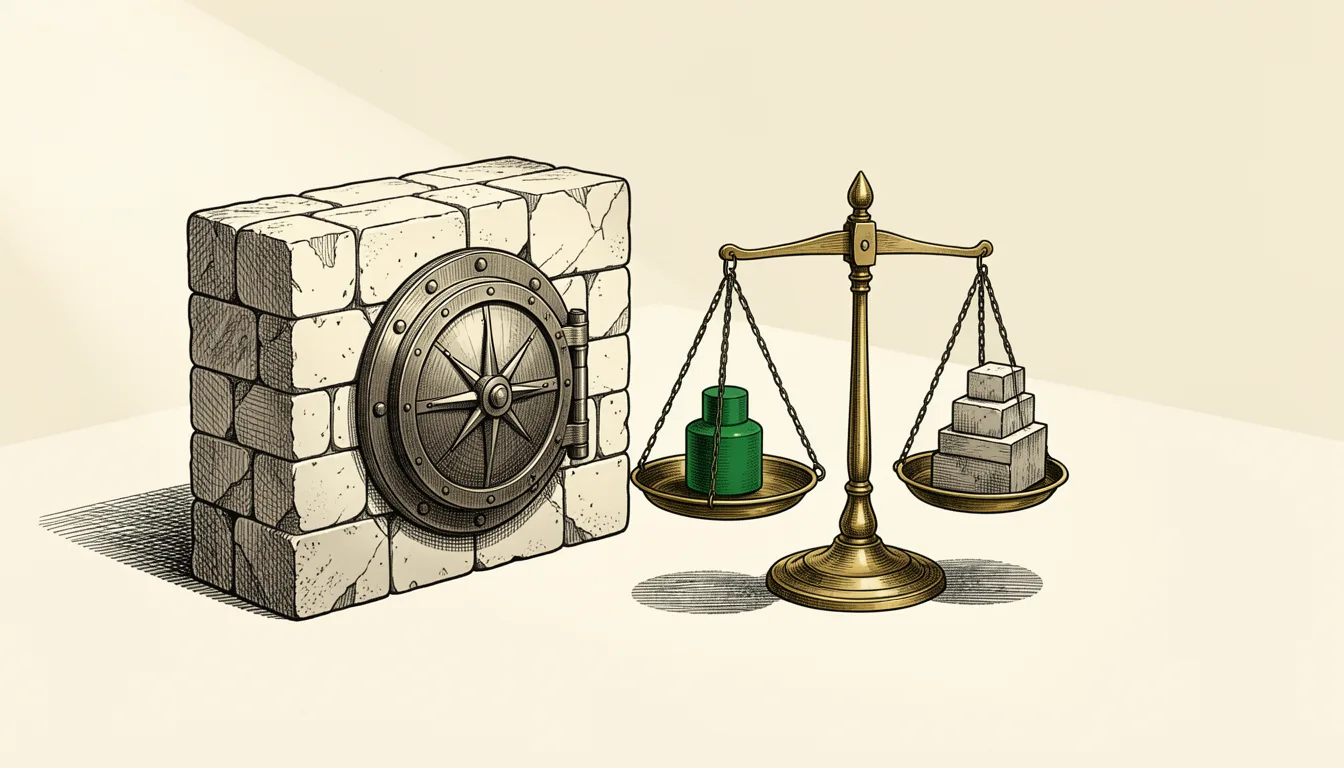
A large exchange's inflow spike is a liquidity signal, not a safety endorsement; founders should keep custody and compliance under their own control.
Inflow spikes are liquidity signals, not safety endorsements
You are deciding whether to route payments, treasury, or fundraising through a major crypto exchange. Treat the exchange as a settlement pipe, not a custody vault. Keep custody, compliance, and counterparty risk under your own control.
Binance's August 2026 inflows totaled $15.7 billion. It captured more than 75% of positive flows to major centralized exchanges. Bybit and OKX drew roughly $1.8 billion and $1.6 billion, respectively.
Binance's bitcoin reserves stood at about 687,000 BTC at the end of August. On August 24, it took in over $470 million of USDC, the largest daily USDC inflow in roughly six months. Tokenized stock trading volume was close to $3 billion per week in August, led by Robinhood Chain, BNB Chain, and Solana.
A dominant share of positive flows tells you where money is moving. It does not tell you what happens when withdrawals slow, a compliance review pauses, or a counterparty dispute appears.
The checklist turns a spike into a control test
Run the checklist before the first transfer, not after the first incident. Use it for any channel that can hold funds, even briefly. Each item should take a minute to test, and each answer should be a document, a setting, or a number you can show an auditor. Do not treat the checklist as a one-time form. Re-run it when the entity, product, or jurisdiction changes. Ask for the answer in writing: a marketing page is a no, a settings page earns a screenshot, and a document goes in the file.
- Identify the legal entity that holds your funds and the jurisdiction that governs it.
- Ask for proof of reserves for the exact asset you hold, not a blended balance.
- Confirm whether your assets are segregated from the exchange's operating balance.
- Check withdrawal controls, including multi-signature approval and velocity limits.
- Review the compliance scope for your use case, from payments to fundraising.
- Test stablecoin settlement with a small transfer before moving material cash.
- Map the off-ramp to your bank, including fees, timing, and rejection triggers.
- Define incident response, including who is notified and what happens to withdrawals.
- Set treasury limits that cap how much can sit on the exchange at any time.
- Document counterparty exposure so a single platform failure cannot become a company event.
Keep the exchange out of the balance sheet
For payments, an exchange is useful when a customer or vendor needs a crypto settlement method and you need to convert quickly. The risk is that the platform becomes the holder of your operating cash. If the account is locked, the invoice is not paid, and the vendor may not care about your internal process. A small, time-boxed balance can cover the settlement window without giving the platform a claim on operating cash.
Treasury use is different. It can handle short-duration sweeps or market access, but a balance that looks liquid in a report becomes illiquid during a withdrawal halt. Keep the control in your own systems. Set a daily cap and stop sending new funds to the exchange if the halt extends.
Fundraising adds another layer. Investors may need a temporary asset or a fast settlement method, but the company's capital structure should not depend on a platform's rules. If the platform changes those rules, the raise can stall. Keep the company's treasury account separate from any investor-facing exchange account, and document who can move funds.
New products add more surface to vet. Kalshi began offering BNB perpetual futures to eligible U.S. investors on September 4. Each new product is another rail to test: who holds the asset, what the rules are, and how fast you can exit.
Speed is the trade-off. Exchange products can move value faster, but they add a counterparty between you and the asset. If the exchange cannot supply the documents, settings, and numbers, do not move material cash.
This article is general information, not investment or legal advice.