Cost-per-Model and Cost-per-Token Math That Defends an AI Valuation
Build a defensible AI round from model build cost, output-token cost, and capital left for the next generation.

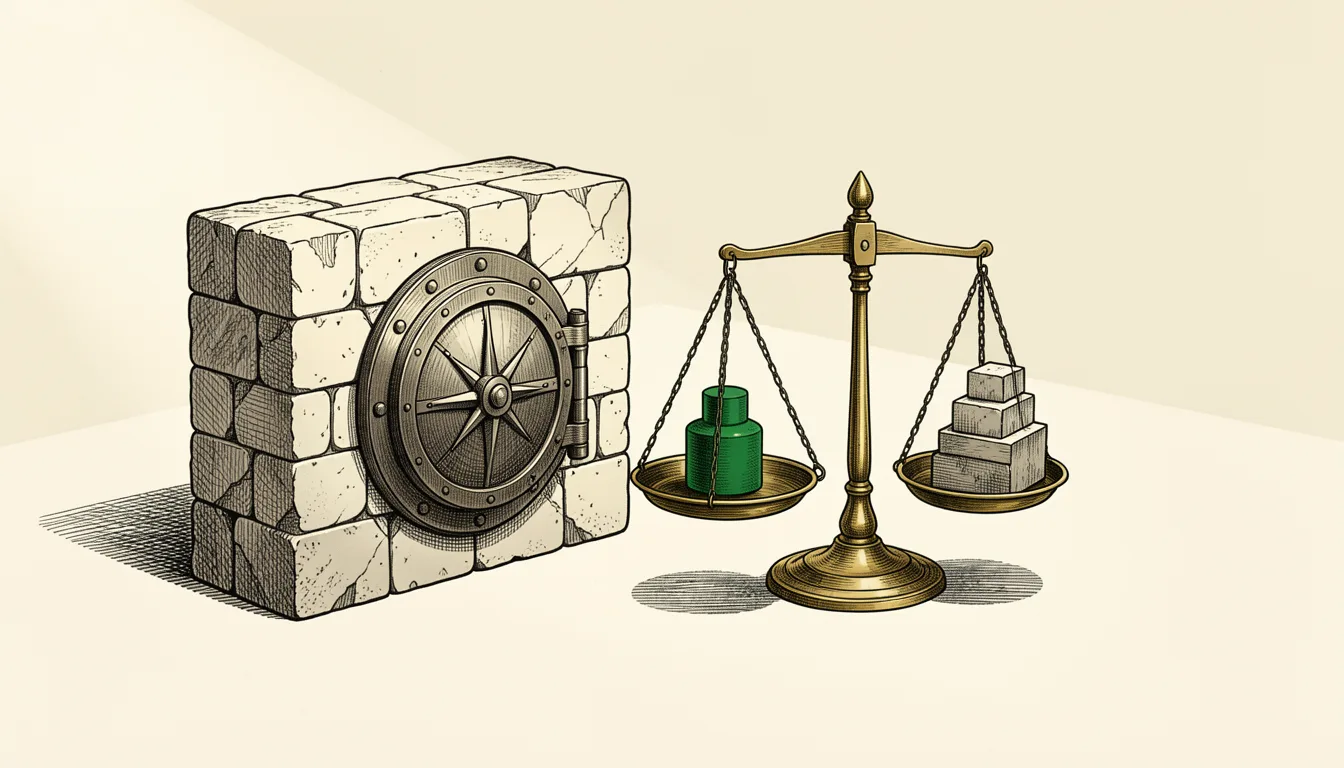
You are pricing an AI company, and investors will ask what the capital actually buys. Building Arcee AI's full 2025 model lineup, including Trinity Large, required about $20 million across salaries, compute, data, infrastructure, and operations. It announced a Series B valued at more than $1 billion on September 16, 2026. The gap between build spend and valuation is only defensible when the data room shows the math. The exhibit should let a reader check the valuation without asking you to restate the story.
The build ledger is the first defense
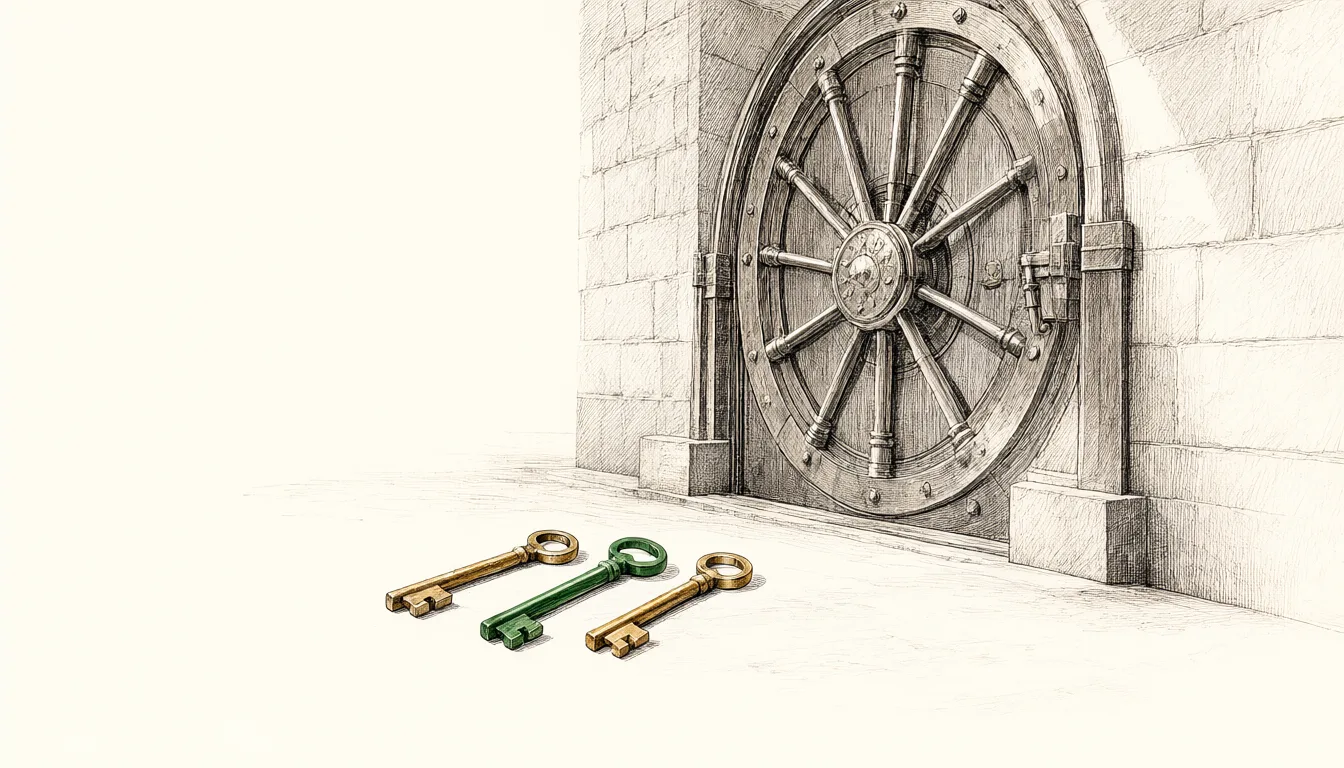
The build ledger is historical, so it is the easiest number to defend. Collect every dollar tied to the model lineup you are selling: salaries, compute, data, infrastructure, and operations. The total should cover the current generation, not a list of invoices. A clean ledger shows which spend produced which model, so the cost-per-model line is not a blended average that hides a weak or expensive release.
Separate refresh from new capability. A model refresh is not the same as a new architecture. Label each spend by the model it produced. This keeps the cost-per-model line honest when you add a larger or more efficient model later. In a data room, put the ledger next to the model release notes so a reader can match a dollar amount to a capability change without another explanation.
The serving stack is the harder number
Divide total serving spend by output tokens served. The result is a dollar amount per output token, not a monthly cloud bill. If the denominator cannot be traced, the number is a guess. For open-weight models, customers may self-host, so the company's own inference cost is only part of the story.
Do not let serving cost hide in the cloud bill. Founders often show a low training cost and a high gross margin, then leave inference, caching, routing, and support inside an opaque line item. Diligence will split it open. Show the token denominator and the cost numerator in the same view, with the serving stack named clearly enough to reproduce.
The next-generation line is the exit test
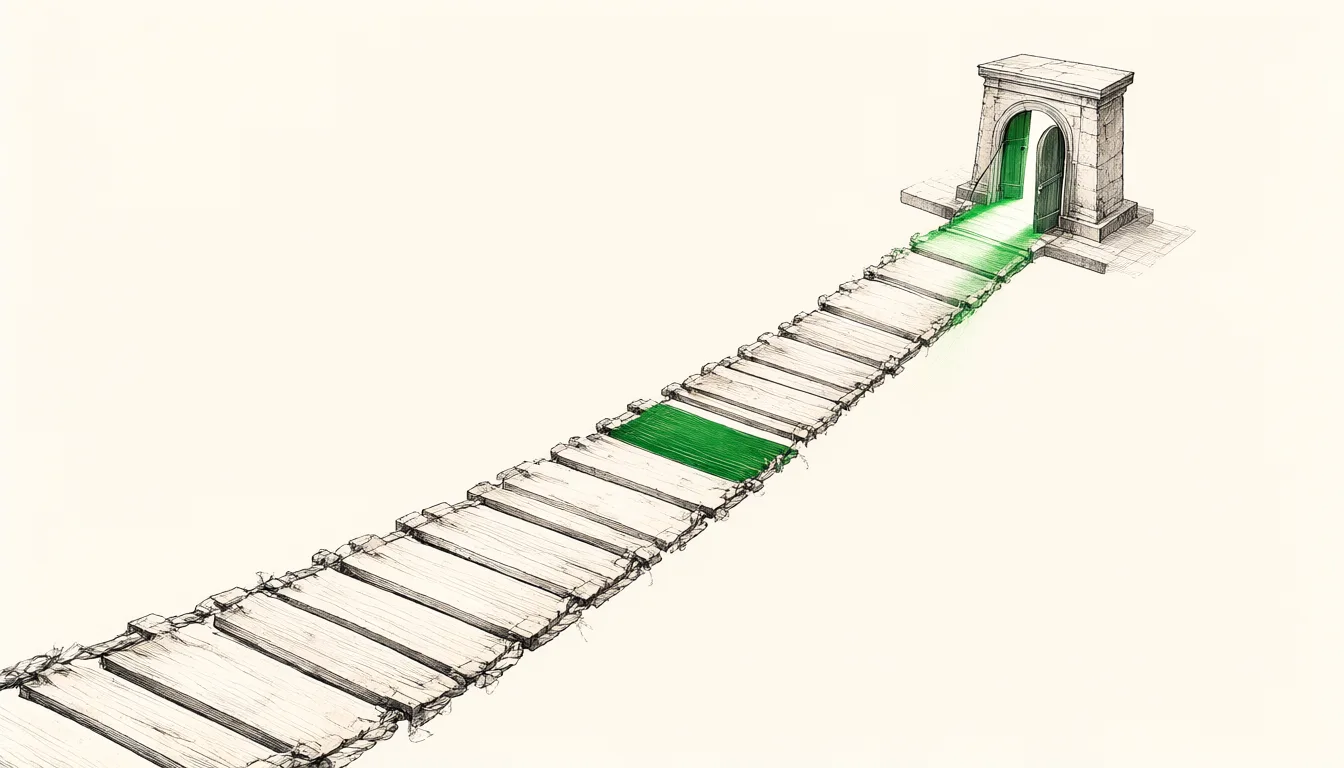
Estimate the capital needed for the next model generation, using the same cost categories as the build ledger. The result is a remaining-capital number after that projected spend. If the number is negative, the round is buying runway, not optionality. If the number is positive, the round is buying the right to build the next capability step without immediately raising again.
Write the capital-efficiency claim as one sentence: total capital spent to build or refresh the model lineup, cost per output token at the current serving stack, and capital remaining per next model generation. The claim should be checkable, not aspirational. It should survive a reader who only has the data room and no founder in the room to explain the gap.
Arcee's disclosed round tests the table
Arcee's Series B was priced at a $1 billion pre-money valuation. Arcee did not disclose the Series B amount, but a source told Fortune the round was at least $150 million. Vista Equity Partners, Cambium Capital, and Emergence Capital led the Series B, while Microsoft's M12, AI10 Ventures, Hitachi, IAG, P7, and Wipro participated. The largest model in Arcee's Trinity family, Trinity Large, contains 400 billion parameters and activates 13 billion of them per token. Arcee had $30 million in the bank when it decided to build its own models, and it spent 65% to 70% of its capital on that effort.
Use the disclosed example as a template, not as a benchmark. The table below is the version you should be able to fill for your own company before the data room is shared.
- Total capital spent to build or refresh the model lineup.
- Cost per output token at the current serving stack.
- Capital remaining per next model generation.
Pair the list with a claim: the company can buy the next generation of capability with the capital it has raised. Keep the sentence short enough to verify. If the claim cannot be traced to the ledger, the serving stack, and the projection, replace it before the data room is shared.
This article is general information, not investment or legal advice.