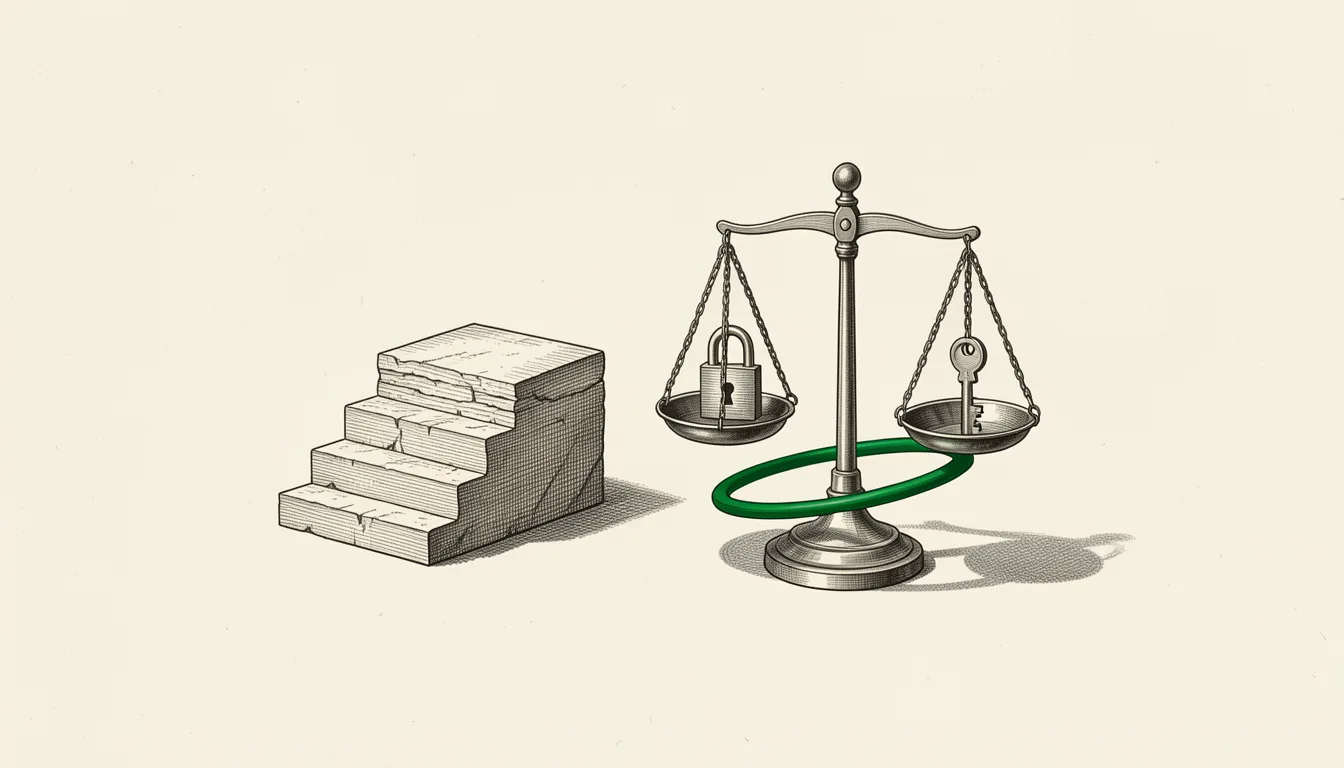
Buy the logos, not the team: when a rival deal beats building
A four-call playbook for buying a rival's logos and feature set, keeping the price quiet, and deferring integration until after peak demand.

You are deciding whether to buy a rival's customers or keep building against it. For a founder facing a head-to-head rival, the buy-or-compete question is really a timing question. The four-call playbook is to buy the logos and feature set, not the team, keep the price undisclosed, run both products through peak, and defer integration until after the rush. The rival's customers are already paying for the category, so you are buying proof of demand, not a promise.
Reactiv, a mobile commerce platform, bought New York-based Kin Commerce through a cash deal that closed in early September 2026. The purchase price was not disclosed, and the transaction included Kin Commerce's technology, intellectual property, customer relationships, and one engineer. That addition raised Reactiv's headcount to 31 employees.
The deal is a logo purchase
The logos are evidence that the product fits a real budget. They also shorten the sales cycle because the accounts already know the category. The feature set tells you which workflows the accounts already rely on. The logos also give your sales team a reference account for every similar prospect. The transferred brand accounts included Steve Madden, Chubbies, Lashify, and Martie. Before the deal, Reactiv had completed an undisclosed US$6 million seed extension that lifted its total outside funding to roughly US$12 million.
In 2015, Twitter acquired Periscope, a live video app, in a deal estimated at about $100 million, kept the app running inside Twitter's platform, and made securing the development team the main purpose of the transaction. That was a talent purchase, not a logo purchase.
In 2024, Microsoft paid Inflection AI $650 million, described as a licensing fee, to use Inflection's AI models and to hire most of Inflection's employees, including CEO Mustafa Suleyman. In 2025, Google paid Windsurf $2.4 billion in licence fees, obtained use of some Windsurf technology, and moved key research and development personnel to DeepMind.
A quiet price keeps the market from pricing you
A public statement can confirm the deal without revealing the number, so competitors and customers cannot infer your valuation from the headline. Publishing a price that looks cheap invites a rival to outbid you for the same logos. Publishing a price that looks rich signals that your own growth is expensive. A quiet price also protects the acquired customers. They do not learn that their vendor was cheap, or that the buyer paid a premium, before a renewal conversation. The Reactiv-Kin Commerce deal took effect on September 1 and was made public on October 6. That gap gives a small operator room to settle the accounts, tell the customers, and avoid a market reaction before the quarter peaks. It also keeps your sales team from explaining a number that may not match the customer's own budget.
Run the rival product and your product through the peak
Keep the acquired brand and your brand live on their existing stacks while your team watches usage, support load, and churn. Do not merge code during the busiest weeks. Collect evidence about which flows convert, which customers complain, and which features the acquired logos actually use. Keep the acquired customers on their existing checkout flows, payment methods, and support channels. Track acquired support tickets separately so you can see whether the product gap is technical, operational, or pricing. Change variables slowly, and only after the peak. Reactiv plans to assess combining the platforms after the Black Friday peak period. A small rival purchase is often a revenue acquisition before an engineering project. Use the peak to learn which product should keep the accounts, not to ship a merged version. If you force integration during the rush, you turn the deal into a support incident.
Integration waits until the rush is over
Write a plan that names the peak period, leaves the acquired product and your product live until the review is finished, and assigns an owner and a review date for the decision. The review should answer which product keeps the acquired customers, which features move, and which code can be retired. Include a cost model: hosting, support, sales time, and migration effort. If the combined product cannot support the acquired accounts at a lower cost than building them, keep the acquired product and your product separate and revisit the plan later.