Run This Power-Outage Checklist to Keep Your Team Working and Customers Covered
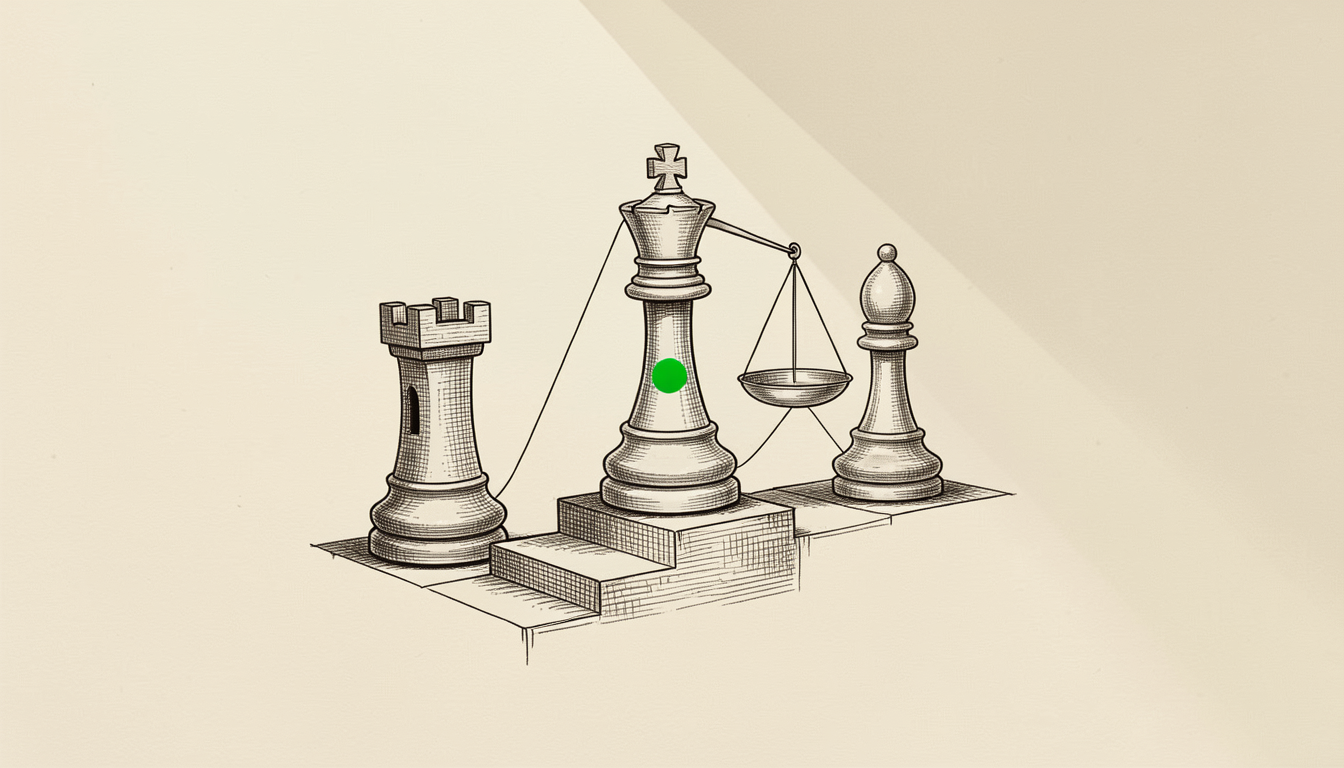
A power outage plan is not a gadget list; it is a decision tree for critical loads, access, customer commitments, and recovery.
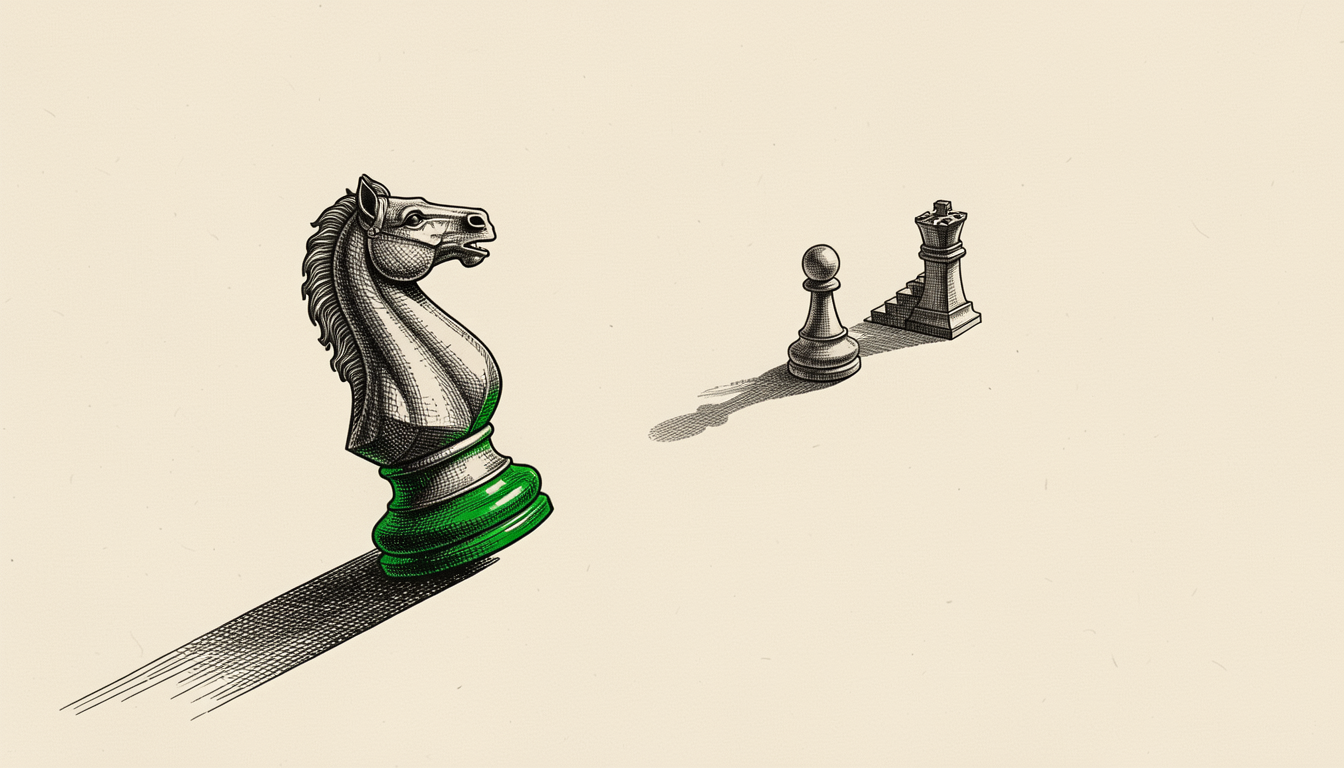
The outage is not the problem; the decision tree is
For us, that is not a utility story; it is an operations test. The lights go out, the phones die, the field team loses signal, and the customer who promised a same-day visit now asks what happens next. When the site loses power, the first decision is not what to buy; it is what is allowed to stay on, what can pause, who can keep working, and which customer commitment triggers a response.
Most business continuity plans fail because they start with equipment. A generator, a laptop, a backup router, a cloud dashboard. Those items matter, but they answer the wrong question. The right question is: if the site loses power, what are we allowed to do? That answer should be a decision tree, not a gadget list.
The pattern is familiar. None of those events is exotic. They are the kind of local failure that turns a normal day into a coordination problem. The team that survives it is not the one with the most hardware. It is the one that knows what to protect, what to pause, and what to tell the customer.
Build the five-layer checklist
Critical loads
We start with that set. We list the systems that cannot go dark: security, refrigeration, network, point of sale, charging for field devices, medical equipment, customer-facing displays. Then we rank them by consequence, not by cost.
Do not treat every device as critical. A conference room projector is not the same as a server rack. The trade-off is simple: we will over-protect some systems and under-protect others. The checklist is how we make that trade-off visible. If the power returns in a few hours, what can wait? If it lasts a day, what must still be running? Write the answer down.
Access fallback
Power outages often take more than lights. They take keypads, garage doors, elevators, the wireless network, and the ability to get to the work. We decide how staff enter the building, how field staff reach the site, and how customers reach the door.
If the keypad dies, do we have a physical key? If the gate is electric, do we have a manual release? If the elevator stops, can the team still reach the floor where the work happens? These are not glamorous questions, but they decide whether remote work is possible or just a hope.
Customer commitments
The hardest part is not internal. It is the promise we already made. A delivery window, a service appointment, a live event, a same-day repair, a scheduled exam, a client demo. If the outage hits before the commitment, we need a rule for what counts as a trigger.
We define the trigger in advance. If the outage is expected to last longer than the service window, we notify the customer. If the site is unsafe, we pause work. If the customer is waiting on a result, we give a status update even when the status is still pending. Silence is the most expensive response.
For customer-facing operations, the outage is not over when the lights come back. It is over when the customer knows what happened, what is delayed, and what happens next. That is the real SLA.
Communication triggers
We decide who says what, and when. We should not discover the outage from a customer text. We assign a role for internal status, a role for customer notice, and a role for field safety.
Keep the messages short and factual. “We are without power. We are checking the site. We will update you by the next check-in.” That is better than a long explanation nobody asked for. If the outage is local and likely to last, say so.
Recovery test
A plan that has never been tested is a guess. We run a short drill: pick a site, simulate a power loss, and walk through the checklist. Who calls the customer? Who checks the door? Who confirms the network is down? Who documents the time of the outage and the time of recovery?
We do not test the whole company at once. We start with one site and one customer commitment. We fix the gaps, then repeat. After power returns, we can answer what stayed on, what was paused, and what the customer was told by the next check-in.