Run a 48-Hour West Coast Continuity Check Before Weather Becomes a Forecast
Treat a low-probability West Coast weather system as a continuity drill: pre-decide triggers, owners, and fallbacks before the weekend.
A low-probability weather system is not the same as a non-event. A tropical disturbance near Baja California may bring rainfall and elevated surf to Southern California this weekend, but forecasters say a valid prediction must wait for development. National Weather Service meteorologists say elevated surf is the only impact that can be stated with certainty at this point. If the system stays closer to the coast, it could bring a 20% chance of rain over the weekend and coastal swells. An NWS bulletin says significant winds and rain associated with a tropical storm are possible but are the least likely outcome. CBS LA weather staff say only a minority of models show a tropical system reaching Southern California. The San Diego weather service office says more direct impacts from a decaying tropical cyclone are less likely, with fewer than 5% of model solutions supporting that possibility.
Why a low-probability system still deserves a checklist
The trap is treating weather as a forecast bet. You either prepare for the worst, spend money on contingency, and lose margin, or you assume the low-probability outcome will not matter and discover the operational risk only when a route is blocked, a warehouse door is closed, or a customer asks why the delivery window slipped. The better move is to treat the weekend as a continuity drill. You are not predicting the storm. You are testing whether your team can make a clean decision when the forecast changes.
Low-probability does not mean low-consequence. Hurricane Hilary’s 2023 remnants produced record rainfall in parts of Southern California, showing that past tropical remnants can produce major rain. The lesson is not that every disturbance becomes a disaster. The lesson is that the tail can be expensive if your fallbacks are improvised. A 20% chance of rain is not a reason to panic. It is a reason to know what you would do if the chance rises, what you would do if a key route becomes unreliable, and who has authority to make the call before the team is arguing in a group chat.
The five-point West Coast weather continuity checklist
Run this 48-hour check before the weekend, not after the first model run surprises you. The goal is not a perfect forecast. The goal is a short list of decisions that are already made, so the team spends energy executing instead of debating.
- Map single points of failure. Identify the one warehouse, one carrier, one port, one office, one key employee, or one customer commitment that would hurt most if weather disrupted it. If a single missed delivery window is a major revenue item, that window is a continuity item, not a scheduling detail. Write down what breaks first: inbound freight, outbound last-mile, customer service, or production.
- Set probability and impact triggers. Do not wait for certainty. Decide in advance what changes your behavior. For example, if the chance of rain rises above 20% for a coastal route, shift a non-critical delivery to Monday. If a key warehouse is within a surge zone, pre-approve a remote work or staggered shift option. If a customer SLA is at risk, trigger a proactive update before the customer notices. The trigger should be specific enough that two people would make the same call.
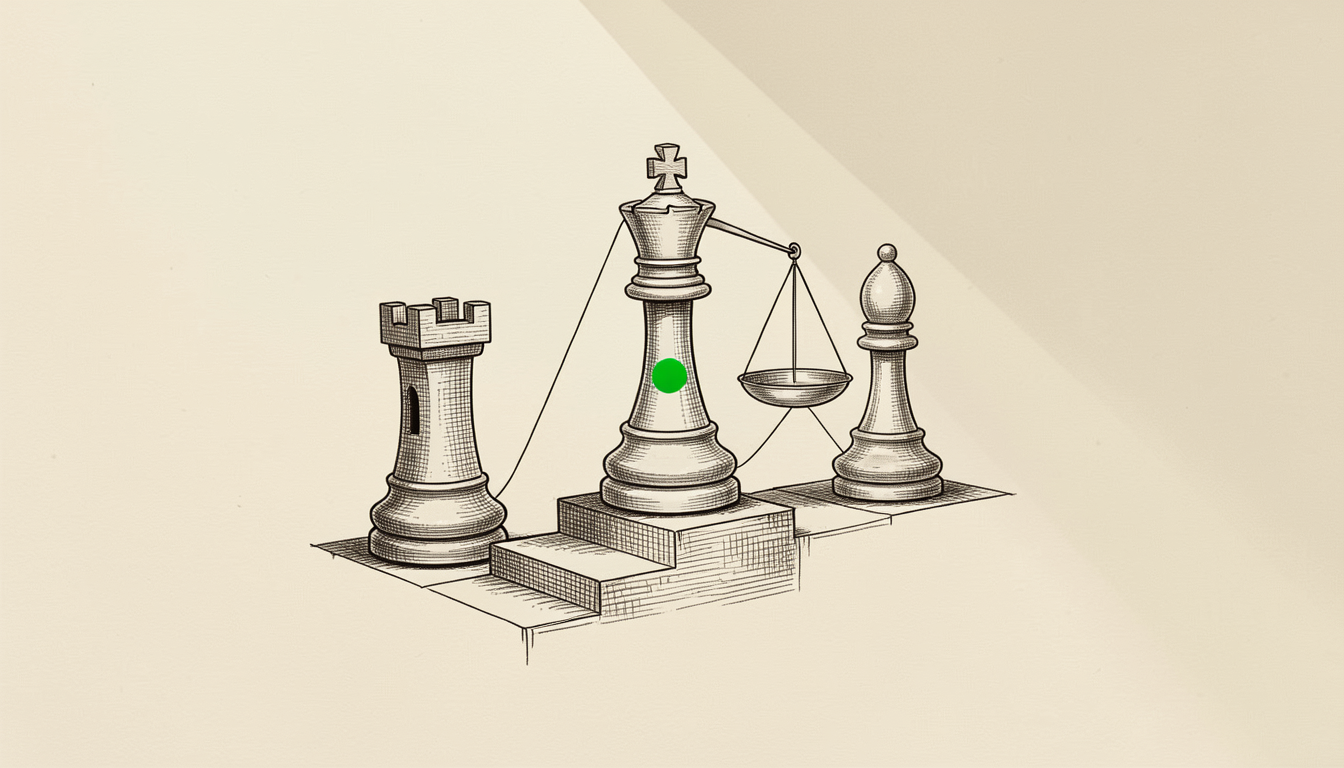
- Assign one decision owner. Weather decisions fail when everyone has input and no one has authority. Name one person, usually a COO, operations lead, or on-call executive, who can make the call. Give that person a simple decision tree: continue, delay, reroute, cancel, or escalate. If the owner is unavailable, name a backup. The owner should not be the person managing the group chat, the carrier, and the customer at the same time.
- Pre-stage communications. Write the messages before the weather is interesting. You need a short internal note, a customer-facing update, and a carrier or vendor message. Keep them factual: what changed, what is affected, what the next update time is, and who to contact. If you sell time-sensitive service, include the fallback: a revised window, a credit, a replacement route, or a documented exception. A pre-written message is not an admission of failure. It is the difference between a controlled update and a panicked reply.
- Define recovery SLAs. Decide what back to normal means. If a route is delayed, what is the maximum acceptable delay before you rebook? If a warehouse is closed, what is the first hour you can resume operations? If a customer commitment is missed, what is the service recovery offer? Put the numbers in writing. A recovery SLA is not a promise that weather will be mild. It is a promise that your response will be predictable.
What to do when the forecast turns
If the forecast stays weak, your checklist should cost you little: a short note, a pre-approved fallback, and a named owner. If the forecast strengthens, the same checklist should let you act without drama. The point is not to prove you were right about the storm. The point is to make the business continuity decision fast, clear, and boring enough that your team can focus on the work. A low-probability system is a useful test. It forces you to separate the forecast from the decision, the weather from the commitment, and the panic from the plan.