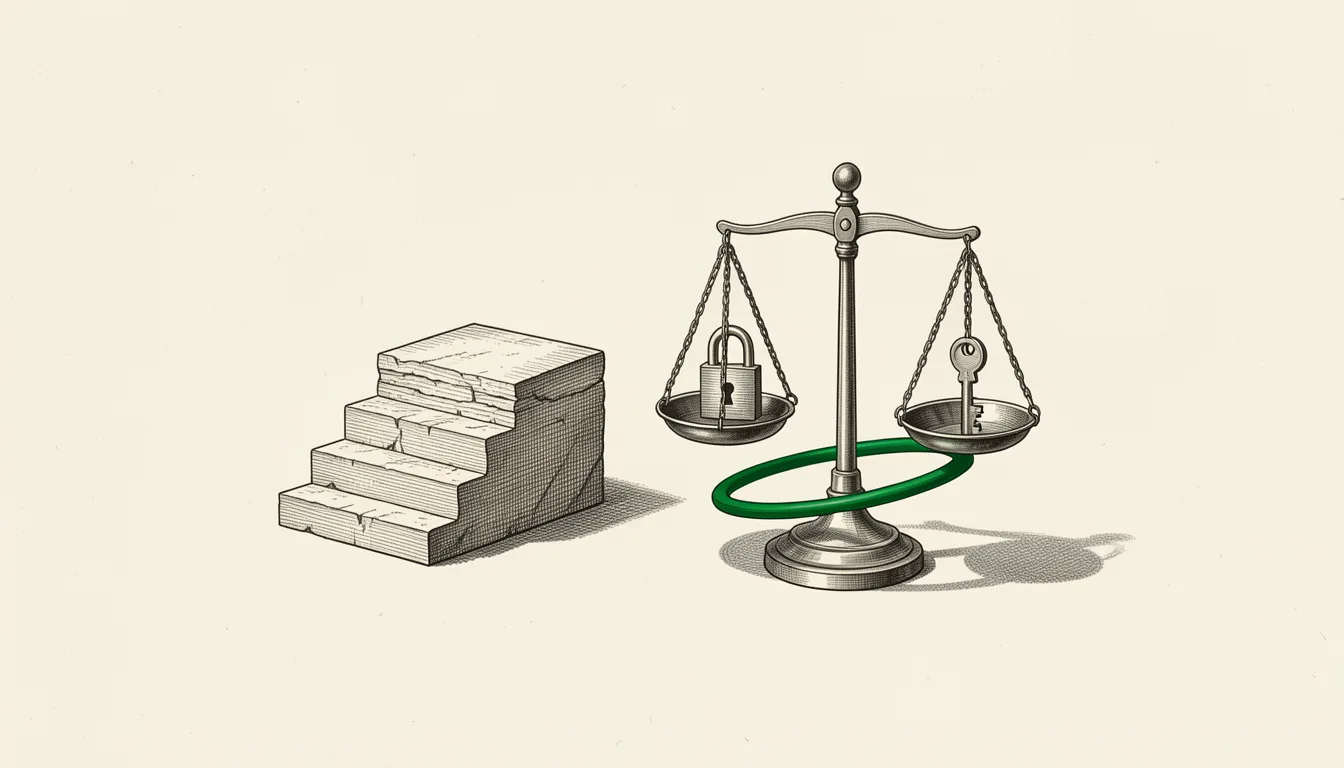
Audit founder control after Automattic's 33-hour CEO reversal
Run a founder-control audit before a hostile board vote can move you.
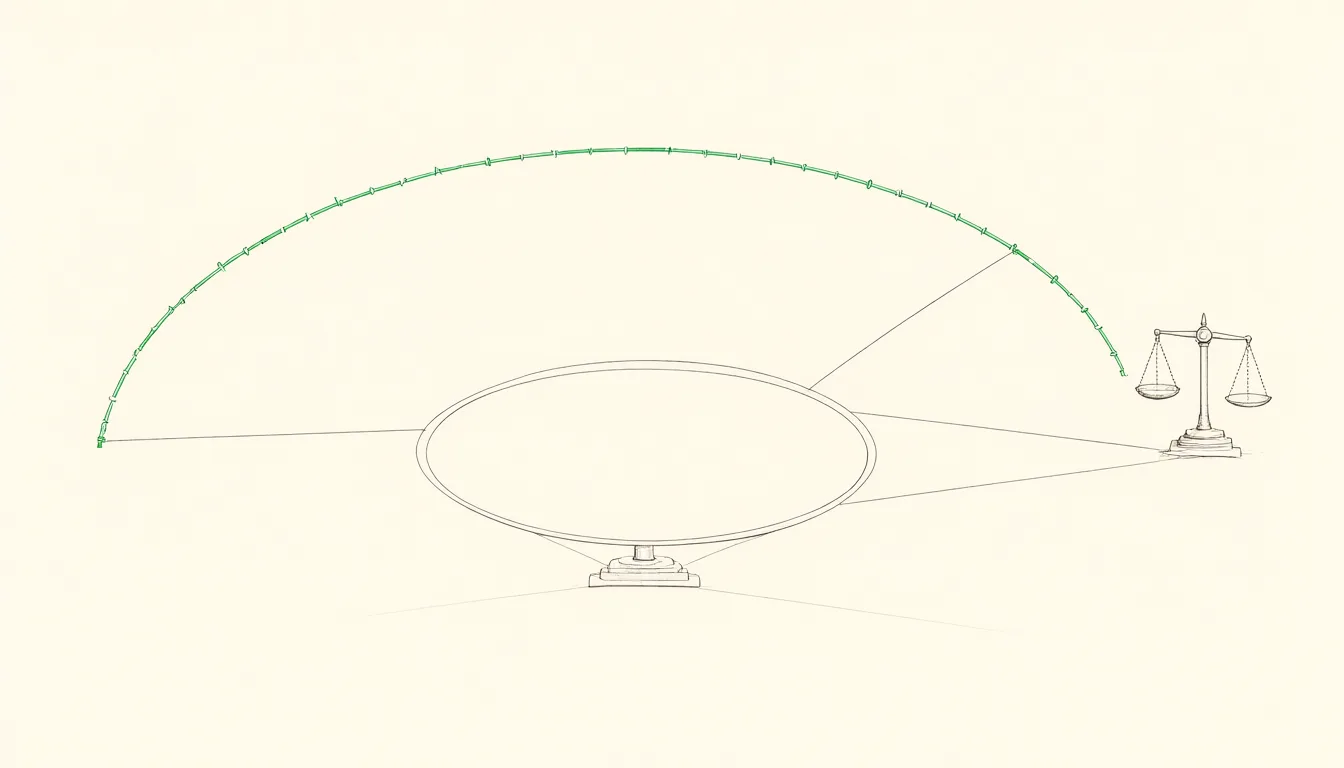
The 33-hour window is the stress test
A hostile board vote can move a founder faster than a term sheet. On September 9, 2026, Automattic's board sent co-founder Matt Mullenweg away on paid leave and made finance chief Mark Davies interim CEO; on September 12, 2026, he returned as chairman and CEO with the board's full support. The move was over his objection. The absence lasted 33 hours and 20 minutes. The board was out after the failed attempt; the directors who backed the paid-leave vote later left.
Mullenweg said he received the resolution about 50 minutes before the meeting and did not have time to consult independent counsel. Plan for that scenario: a board can vote you out, a clock can start before you can call a lawyer, and the company keeps running while you fight to get back.
The question is whether your control position lets you survive a hostile vote long enough to replace the board. The audit checks where that control can fail and what it will cost to fix. If you cannot answer those questions in a short memo, you are flying blind. Keep the memo short enough to send to counsel and investors in writing before the next board meeting. A hostile board move can become a company-wide event before the founder has finished reading the resolution and before counsel can respond.
Run the five-point founder-control audit before the board meeting
- Board composition. List every director, how they got the seat, and what they control. Include founders, investors, employees, and independent seats. The finished memo names each director, their seat, their relationship to you, and the vote threshold needed to move a CEO. A board that looks balanced on paper can still be hostile in practice. The meeting will reveal who votes with whom.
- Cap table. Follow the shares, not the titles. Convert preferred, common, convertible notes, and option pools into voting power under the charter and bylaws. The finished version is a spreadsheet that shows each holder's percentage, the class of share, and whether that class votes on CEO removal, board elections, or both. A large economic stake can mean little if the voting shares sit elsewhere. If your control depends on a side agreement, a super-voting class, or a founder seat, write down the exact instrument that gives you that power.
- Founder voting power. Do not assume your board seat equals your voting power. Check whether you can elect directors, remove directors, or call a special meeting. You are done when you have a clear memo that states your percentage, the threshold to elect a director, and the threshold to remove one. If your power comes from a founder seat, make sure the seat is not merely ceremonial. A founder seat that cannot block a hostile vote should be labeled as a comfort, not a control, in the audit.
- CEO removal mechanics. Find the exact rule for removing a CEO. Is it a simple board vote, a shareholder vote, a no-fault removal, or a removal for cause? The output is a paragraph that quotes the governing provision and explains what evidence would be needed to trigger it. The trap is assuming a hostile vote is final. It is often the first move, and the clock starts before you can call a lawyer. If the rule allows removal without cause, your defense is speed, evidence, and the ability to regroup before the company treats the vote as settled.
- Board-replacement path. Plan the sequence you would use if the board moved against you. Identify who can call a meeting, who can nominate directors, and which shareholders or investors are likely to support you. The plan should read like a decision tree: if the board votes against you, you call X, you seek Y, and you replace the board by Z. The path must be legal, fast, and public enough to stop the company from drifting. After returning, Mullenweg dismissed Mark Davies and chief legal officer Andy Missan. Automattic was reviewing $8.15 million in severance agreements that the two executives approved for each other during the leave. The cleanup that follows a failed board move should be part of your plan, because it determines whether the company can keep operating while the fight is resolved.