Use Meta's Glasses as a Stress Test for AI Hardware Distribution
A four-point checklist for consumer AI teams building capture, context, and location products that can run on smart glasses.
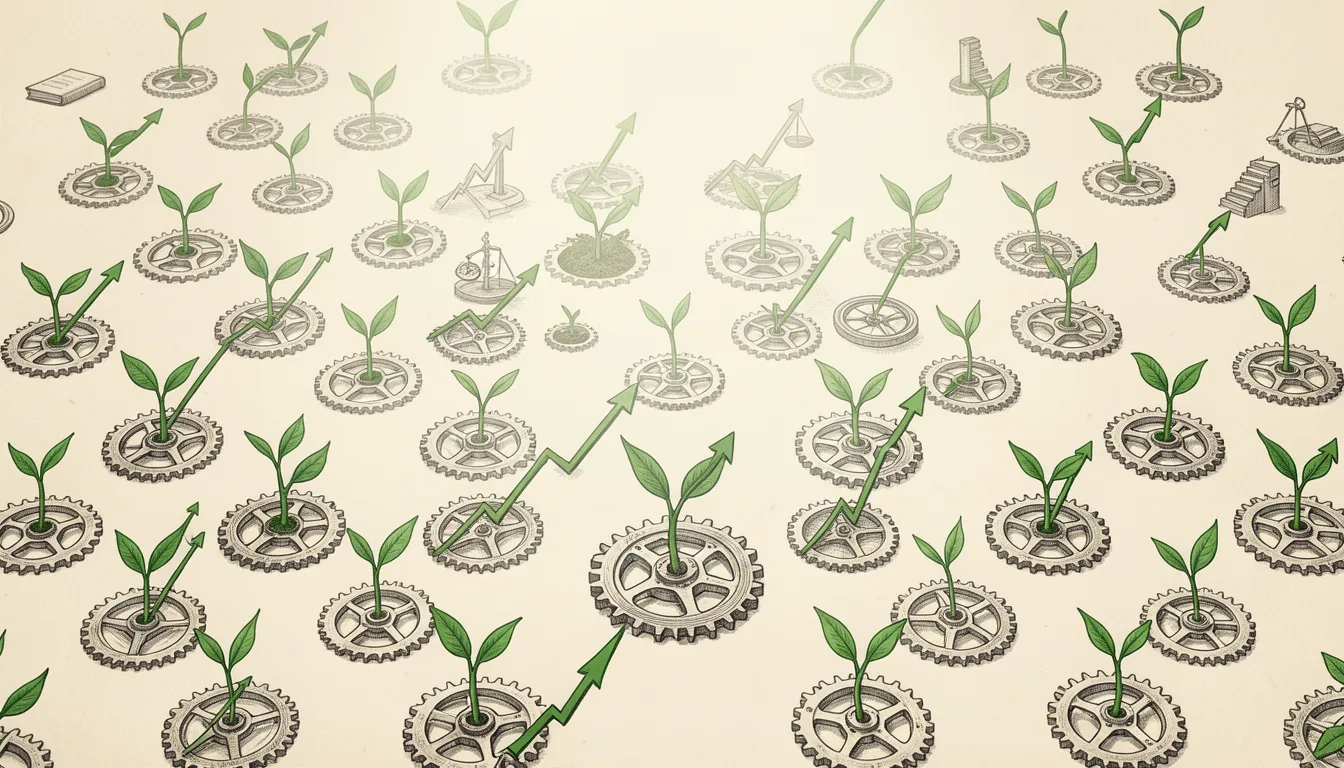
If your consumer AI product needs a camera, a location signal, or a glanceable interface, Meta’s glasses are the cheapest stress test available. They are a live distribution channel with a trust problem attached. The opportunity is to ship the capture, context, and location layer that can run on them before the next glasses launch, not to build another pair of glasses.
The hardware is not the product
Meta’s smart glasses number about nine million units in circulation. Meta developed Ray-Ban Meta glasses with EssilorLuxottica and launched them in India in May 2025 at a starting price of ₹29,900. The India launch shows the glasses are already a consumer product: a shipped device that can carry consumer software.
AI hardware distribution is a different problem from consumer apps. A phone app can be updated, tested, and killed without touching a factory. A glasses product has to manage a sensor, a battery, a frame, and a visible camera. The startup’s job is to make the software useful before the hardware limits the product. Build the capture pipeline, the context model, and the sharing surface as separate pieces that can move to the next device.
Trust is the first distribution gate
The capture signal is the product’s first interface. Meta’s AI glasses include a white indicator light that blinks while a photo or video is being captured, and the camera shuts off automatically when that sensor is blocked. Meta’s AR VP Alex Himel said on Threads that a forthcoming update would improve the reliability of the glasses’ capture LED and disable the camera when that light is covered during recording. The permission signal doubles as a distribution feature: if bystanders cannot tell when capture is happening, the app loses the bystander.
Public capture changes the user’s relationship to nearby people. A phone camera is usually a deliberate act. A glasses camera can be ambient, continuous, and hard to notice. The product needs a visible state that people can learn in seconds, plus a hard stop that does not depend on the wearer’s intent. A blocked sensor matters more than a settings toggle.
The legal edge is a product constraint
A Delhi legal notice tried to make Meta answerable for its product-design and marketing choices for the camera glasses used in the alleged recording. The Internet Freedom Foundation said the allegedly non-consensual Instagram reel had more than 4.19 lakh views, approximately 15,700 likes, and over 500 comments by August 6, 2026.
The numbers matter less than the structure. A capture product can become a legal product before it becomes a scale product. If your startup stores or publishes what the glasses see, you need a consent model that survives a regulator.
Consent is the product’s core constraint, not a legal footnote. In public space, the bystander is a user even if they never install the app. In private space, the product needs a clearer boundary. The startup should design for the worst reasonable setting, from dense public areas to private gatherings. The constraint shapes the default state, the sharing surface, and the bystander’s experience.
The build has to pass four checks
The timing is narrow, but the window is open now. Samsung and Google will release their own glasses later in 2026, and Apple’s version is expected around 2027. Use the four checks below as a pre-build test. Each should be checkable in a minute, not a workshop.
- Verify capture trust: bystanders can see the capture state and block it without opening settings. If not, your product inherits the platform’s trust risk.
- Map distribution leverage: the core loop runs on a phone, an API, or a web surface before the next glasses launch. Otherwise, you rely on hardware timing you do not control.
- Design for hardware constraints: the product works with short battery, limited screen, and intermittent connectivity. A phone dependency disqualifies it.
- Time the platform reset: the architecture survives the next glasses launch. An architecture tied to one vendor’s current platform is exposed to a reset.