Pricing a platform sale: the shell is the exit math
When a buyer takes the product and people, the founder's real deal is the cash, debt status, and tax losses left in the listed shell.
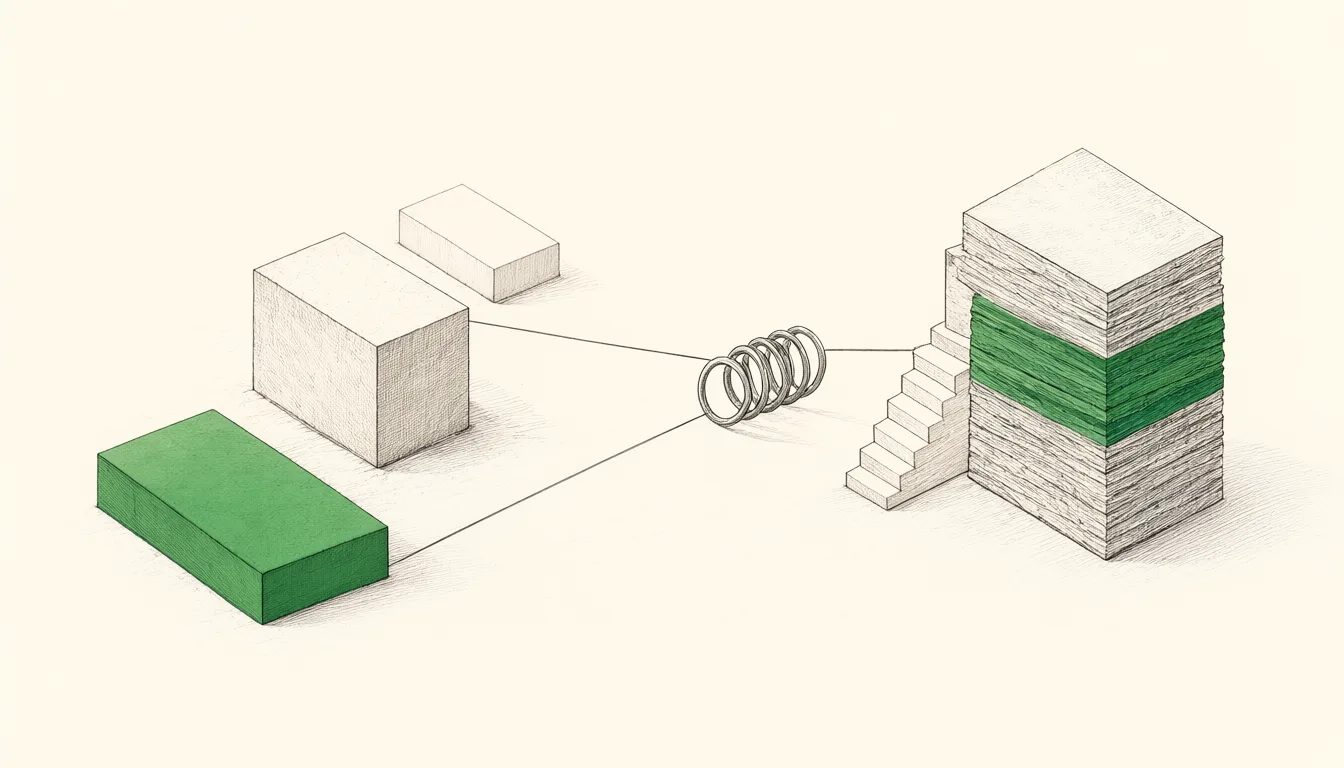
When a buyer takes the product and the employees, the founder's real exit is the shell that keeps the ticker. Domo's approved structure left founder Josh James with roughly $246 million in cash and more than $900 million in tax shields in a listed shell.
On July 22, 2026, Domo's board unanimously approved Progress Software's $400 million cash acquisition of the operating business. The transaction closed on September 22, 2026, when Progress finished buying Domo's AI and data platform assets, assumed certain liabilities, and Domo changed its name to Huckleberry.ai, Inc. Progress paid for the $400 million purchase with cash and its existing revolving credit facility. The platform business added over 2,400 business customers for Progress, plus its worldwide strategic relationships in cloud data warehousing.
In an asset purchase, the buyer picks particular assets and selected liabilities, while the seller's corporate entity stays with the seller. The seller remains the owner of the surviving legal entity and must either clean it up or liquidate what is left. The trade-off is plain: the buyer gets the operating business, and the founder gets the residual value of the shell. Operators should price that shell as a separate deal, because it is the part of the transaction that still has a balance sheet.
The buyer takes the business, not the tax history
Progress acquired nearly all of Domo's assets and employees, while the NOL carryforwards stayed out of the purchase; the $400 million cash payment covered substantially all of the business, not the tax losses. The NOLs stayed with Huckleberry after the asset sale. Those losses can shield future profits only when the Section 382 ownership-change limits are met. That condition decides whether the tax shield is usable at all.
The shell's cash and debt set the floor
The post-sale entity was a Delaware holding company, with net cash equal to $4.84 per share. After closing adjustments, Huckleberry began with roughly $221 million in cash, or about $4.46 per share. It began debt-free, having repaid the credit facility and bought back the lender warrants at closing.
The per-share number is the floor the market can see. Debt status changes what the cash can do. The tax losses reduce the cost of the next business, but only if the ownership test is passed.
The closing checklist is the founder's real deal
The list is short because the shell has only a few levers. Each item is a closing condition, not a post-deal hope.
- Confirm the buyer takes the product, employees, and selected liabilities, while the seller keeps the legal entity.
- Confirm the NOL carryforwards stay with the seller, not the buyer.
- Calculate per-share cash after closing adjustments, not before.
- Verify the shell is debt-free after repaying the credit facility and buying out lender warrants.
- Check Section 382 ownership-change limits before treating the NOLs as usable.
- Set the first use of the remaining cash before the shell begins trading.
The first two items separate the business from the entity and protect the tax shield. The middle items turn the headline into per-share cash and remove the balance-sheet drag. The last two test the tax shield and force a use of cash before the market prices the shell.
The first use of cash is the strategy
Huckleberry was set to start trading on the Nasdaq Global Market under ticker HUCK on September 24, 2026. The board said it would look for ways to put the NOL carryforwards to work, including possible deals that apply AI and automation capabilities to improve earnings.
If the founder stays CEO after the sale, the job changes from running the product to running the shell. The cash is the operating budget for the next move: a small acquisition, a buyback, a dividend, or a new business that can use the tax shield. The decision has to be made before the ticker changes, because the shell's value is only as good as the next move. Put that decision in the closing checklist, not in a post-deal memo.