Use Shopify's revenue model to find the costs that grow with your sales
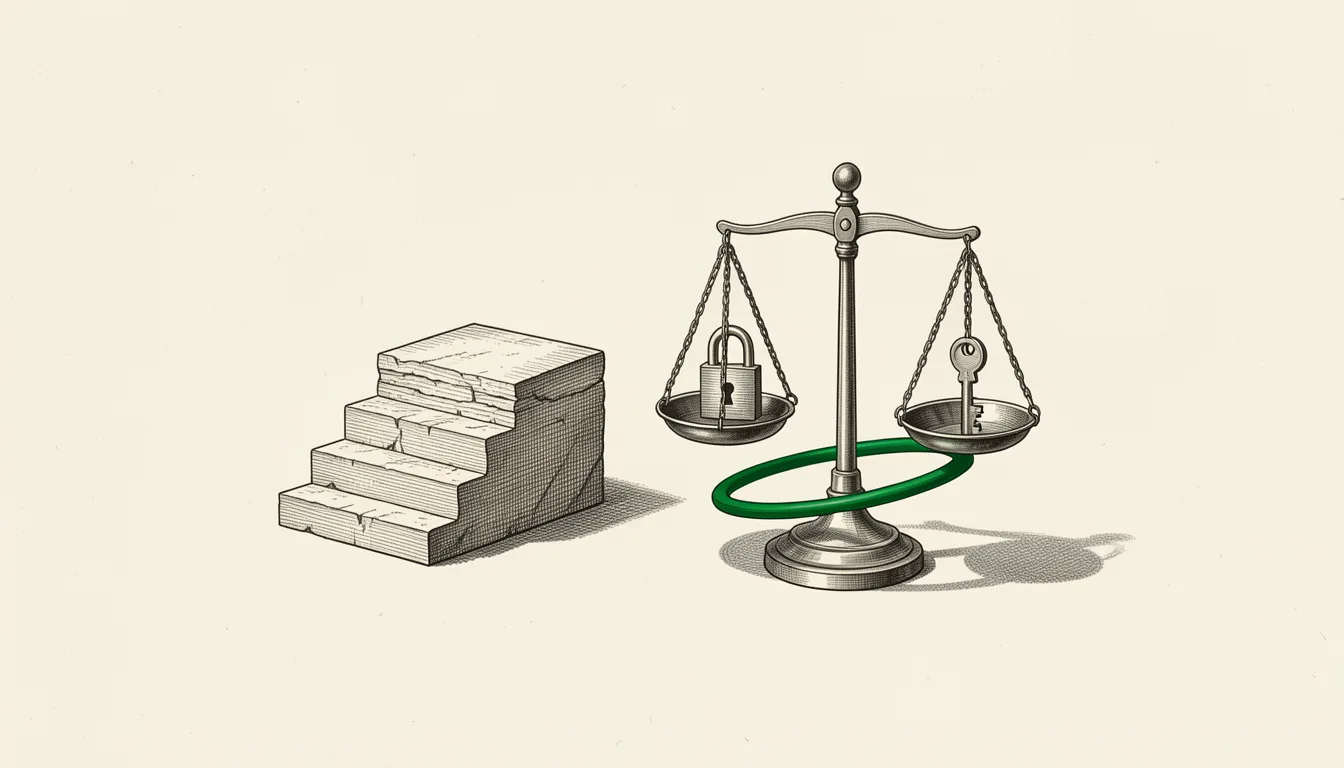
Shopify's fees form a dependency map: subscription baseline, payment take-rate, and app spend, with a margin threshold for each layer.
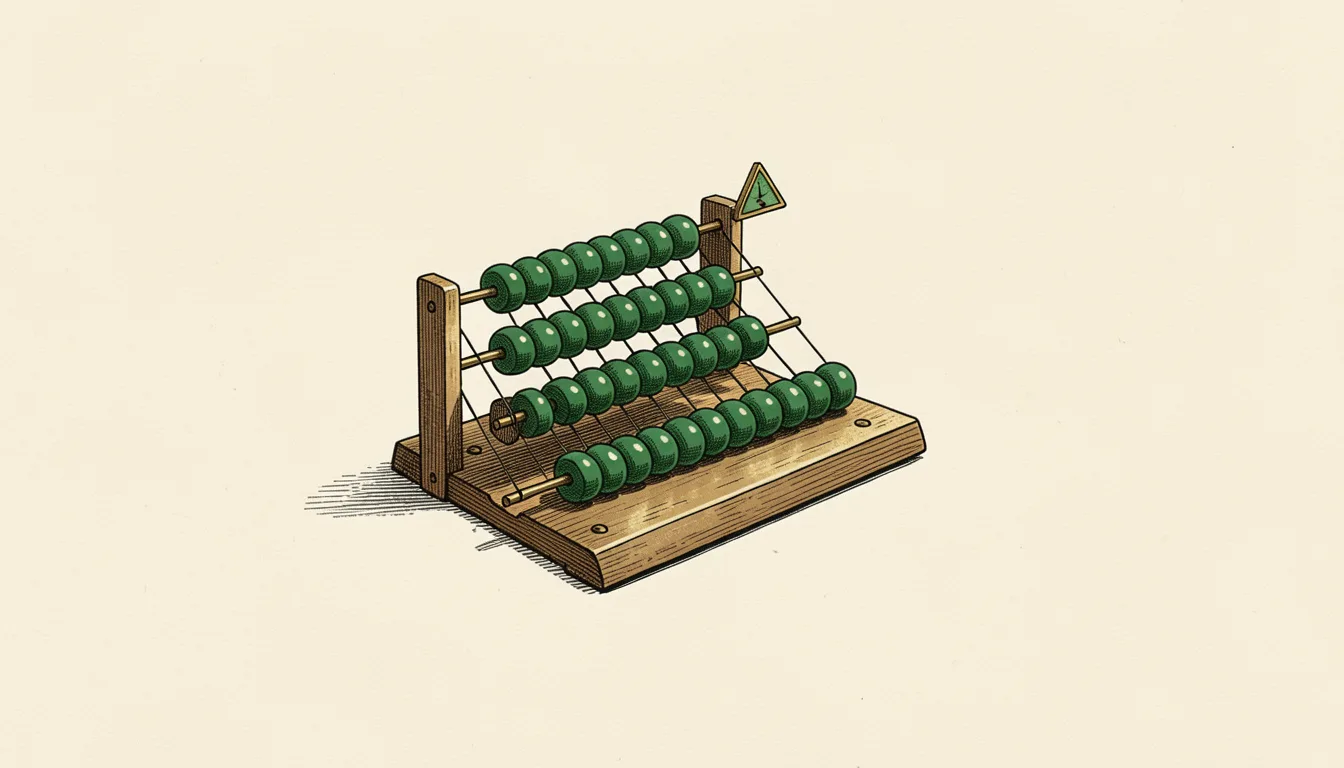
When a direct-to-consumer founder asks how Shopify makes money, the answer is a dependency map. The bill has lines that look like expenses: a plan, a payment charge, and app spend. Read them as a sequence of dependencies, and the costs that grow with sales become visible before they eat margin.
The storefront became the operating system
Shopify was founded in 2006 and supported more than 2.2 million active stores in 175+ countries in 2025. It has facilitated over $900 billion in cumulative sales and provides over 8,000 apps. SilkSilky, which launched a DTC store on Shopify in 2021, reported a 680 percent sales increase over two years after upgrading to Shopify Plus and adding international sites.
The early move was to make the storefront easy enough that a small brand could launch without building a site from scratch. The later move was to stay in the transaction. Once the checkout, the payment channel, and the app layer are all in the same place, switching costs rise. The scale numbers show a platform that has become a common choice for many direct-to-consumer brands, not just a hosting option.
The revenue model marks the dependency points
Shopify's revenue model combines subscription fees and transaction fees. In 2025, subscription plans are the primary revenue stream, and merchants pay monthly or yearly fees. Shopify generates revenue through its proprietary payment gateway, Shopify Payments. If merchants use payment providers other than Shopify Payments, Shopify collects transaction fees.
The structure matters because the three layers behave differently. Subscription is fixed, payment is variable, and app spend is discretionary until it becomes essential. The same bill can be manageable before volume arrives and painful at scale.
For a founder, those lines mark where the platform has become essential. A fee can be cheap early and still change the business once order volume or app usage rises. The subscription baseline prices access to the storefront. It does not rise with every order, so it looks stable. That stability is the risk: at low revenue, a fixed plan is easy to ignore; at higher revenue, the same plan can become a larger share of margin if growth stalls.
The payment layer moves with order value, so it is easier to see in an income statement and harder to control if you are locked into a third-party payment channel. The app layer hides in the stack. Each app can be small, but the stack becomes a dependency. Judge each app by the margin it creates against its monthly price. A checkout app can be cheap per month and still sit in the path of every order. The strongest dependency appears when the app touches checkout, inventory, or customer data.
Put each layer on the same sheet as gross margin, not just revenue. A fee that looks small against top-line sales can be heavy against the margin you actually keep.
Each layer needs a margin threshold
Set each threshold before the next plan upgrade, not after the bill arrives.
- Subscription baseline: keep the plan coverable at break-even, and make sure it does not grow faster than revenue. If it does, the baseline has become a scaling cost.
- Payment take-rate: measure the extra cost of a third-party payment channel. Set the threshold where that cost exceeds the savings it buys; if it does, switch or renegotiate. If the platform's gateway is cheaper, the trade-off is usually control, not price.
- App and ecosystem spend: ask whether the app pays for itself in recovered margin, saved labor, or incremental revenue. Set the threshold where that value covers the monthly price; if it does not, remove it before the next billing cycle.