Two-Number Test: When User Growth Stops Funding
A lean founder should stop treating users as a funding strategy when remaining runway cannot reach a round the revenue, retention, and burn can support.
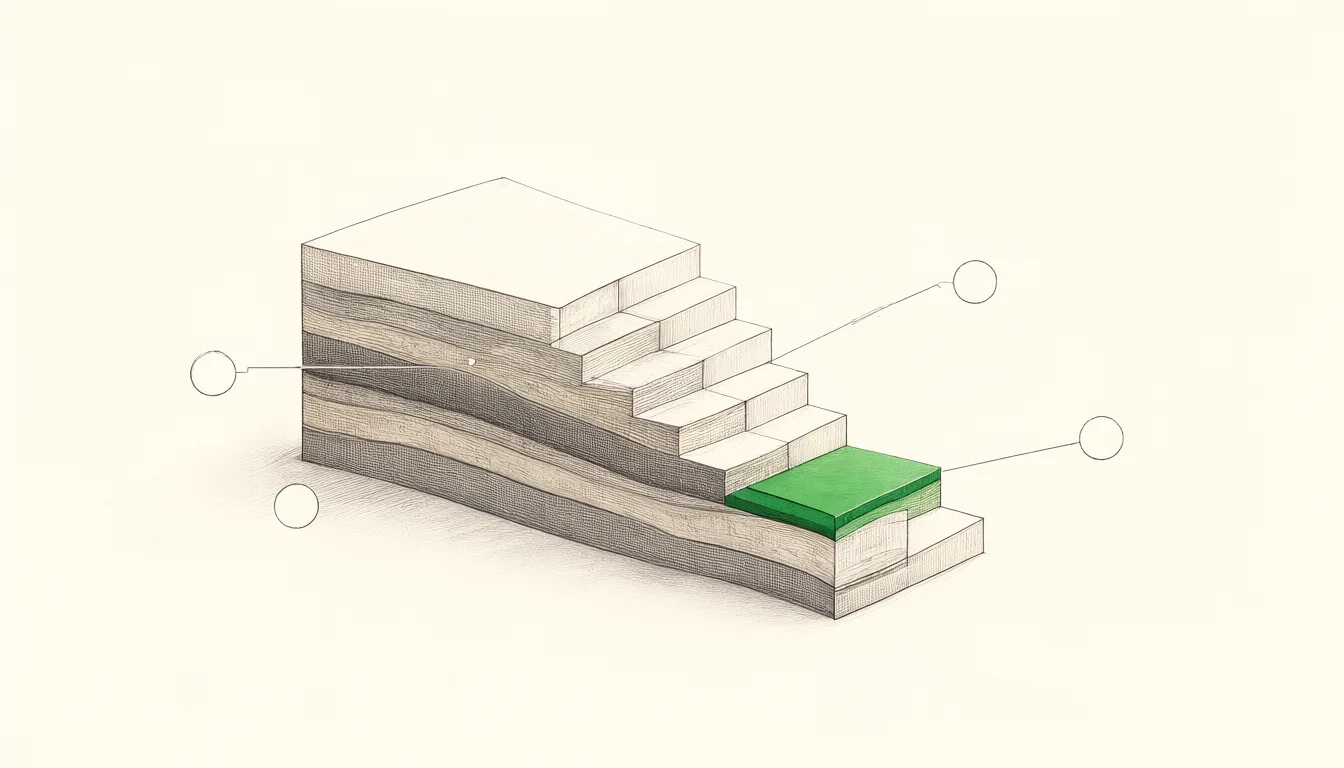
You have users, no follow-on round, and a runway number that keeps changing. The decision is whether the remaining cash can reach a round that revenue, retention, and burn can support. User count can keep the company alive, but it cannot replace the money needed to buy time. The test is a two-number check.
The case: a large user base can still run out of money
The Youper shutdown is a clean case: an AI emotional-health app that launched in 2016 with CBT methods and cited Stanford research stopped working on September 30, 2026, after serving more than 3 million users.
It raised roughly $3.5 million to $5 million in total, with its main funding coming from a 2019 seed round. It then ran for seven years on limited capital and did not complete a major follow-on financing round after 2019. Youper said accounts, chat histories, and personal data would be permanently deleted beginning October 1, 2026.
A lean company can survive a long time, but survival is not a strategy. A large user base still needs a capital plan that can reach the next round.
Number one: runway must reach a round that justifies the burn
Number one is a cash test. It asks whether total raised plus remaining runway can reach a next-round size that justifies the burn. Total raised shows how much capital has already been committed to the current plan. Remaining runway shows how much time is left to prove the next plan.
The next-round size is the amount that makes the burn after the round defensible to an investor, not the amount you hope to raise. When your runway is too short for the round size, and revenue and retention cannot close the gap, the raise is not a near-term plan.
Median seed-stage burn in 2025 was $87,000 per month, while median Series A burn was $380,000 per month. The median wait between new venture rounds reached 696 days in Q2 2025, so a raise cannot be scheduled around a product launch. Startups that began a raise with at least 18 months of runway closed their next round at 2.4 times the rate of startups with under 12 months. Only 28% of seed-stage startups raised a Series A in 2024. Capital exhaustion accounted for 70% of 431 VC-backed shutdowns since 2023.
The burn gap between seed and Series A makes the next stage a different operating model. The practical question is whether your runway can cover the raise period, the investor diligence period, and the early period after closing without forcing a desperate bridge. If it cannot, the founder should treat the raise as a later option, not the current plan.
Number two: users must convert into revenue and retention that make the round plausible
Number two is a quality test. It asks whether user count meets the revenue and retention threshold that makes the next round plausible. Revenue is the first proof, retention is the second, and cost per user is the third.
Series A investors expect consistent growth and retention that holds before opening a term sheet. 2025 revenue benchmarks at raise were higher than 2021 across all stages. A founder cannot lean on raw installs alone. A user who returns, pays, or refers is more useful than a user who only adds to a count. When revenue is flat, retention is soft, and the cost per user is rising, the next round is not plausible on users alone.
Revenue growth plus stable retention turns the user count into evidence for the round. A cost structure that cannot absorb the next stage of spend turns the user count into a distraction. The founder has to choose which plan the company is actually following.
Run the two numbers before the next board meeting. If both pass, the company can keep its current burn while it raises. If the first number says you cannot reach a round without a bridge, the decision is to cut burn, change the model, or plan a controlled wind-down. The second number leads to the same decision when revenue and retention cannot support the round.